


Jacksonville party bus rental has many amenities to offer its clients. Airport transfer services can make the ride from the airport an easy one, ensuring that the group can get to and from the party on time. The buses can be chartered for a point-to-point or one-way trip. They can be comfortable and spacious, as there is room for everyone’s luggage and drinks. Whether traveling for business or pleasure, a Jacksonville party bus rental is sure to meet your transportation needs.
Reliable party bus service
Finding a reliable party bus service in Jacksonville is not as difficult as you may think. Just remember to choose the one that is licensed to drive in Jacksonville. A reliable company is sure to take good care of you and your group. If you plan on celebrating a special occasion with your friends or colleagues, a party bus is the perfect solution. Its drivers are experienced, courteous, and knowledgeable about the city. When booking a Jacksonville party bus, don’t settle for anything less than an exceptional experience.
Cheap party bus rental in jacksonville
Planning a bachelor party or a bachelorette party? If so, you can rent a cheap party bus in Jacksonville to get there in style. You can also reserve a party bus in Jacksonville to spend the night at the local clubs. The best nightclubs in town are the 57 Heaven and Marks. Marks has 4 stars and is a popular spot for martini drinkers. To experience the best nightlife, you should visit these popular spots on your cheap party bus rental.


Availability
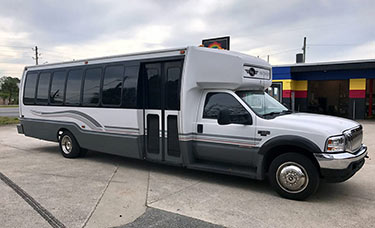
If you are looking for a way to get to your destination in style and comfort, consider hiring a party bus in Jacksonville, Florida. With a wide variety of available options, a party bus is the perfect way to transport your group of friends and family to and from a night on the town. In addition to comfort and style, a party bus will provide you and your guests with an unparalleled experience. Here are some things to consider before you book a rental.
Cost
If you want to have a great time, renting a Jacksonville party bus is the perfect way to do it. You’ll get a comfortable ride for your group of friends and have plenty of space to move around in. No matter the occasion, a Jacksonville party bus will make your trip one to remember. These buses are available for any type of celebration and are a great way to see the city. However, before you make your rental, be sure to check out the cost of party buses in Jacksonville Florida.
Places to go in a party bus
If you’re looking for fun places to go in a party bus, consider New York City. This large, diverse state offers an endless array of places to go, from romantic lighthouses to sandy beach towns. You can even enjoy the stunning fall foliage on Long Island. The state also includes parts of Connecticut, Illinois, and Pennsylvania. You can even visit New Jersey, Vermont, Maine, and other places of interest.